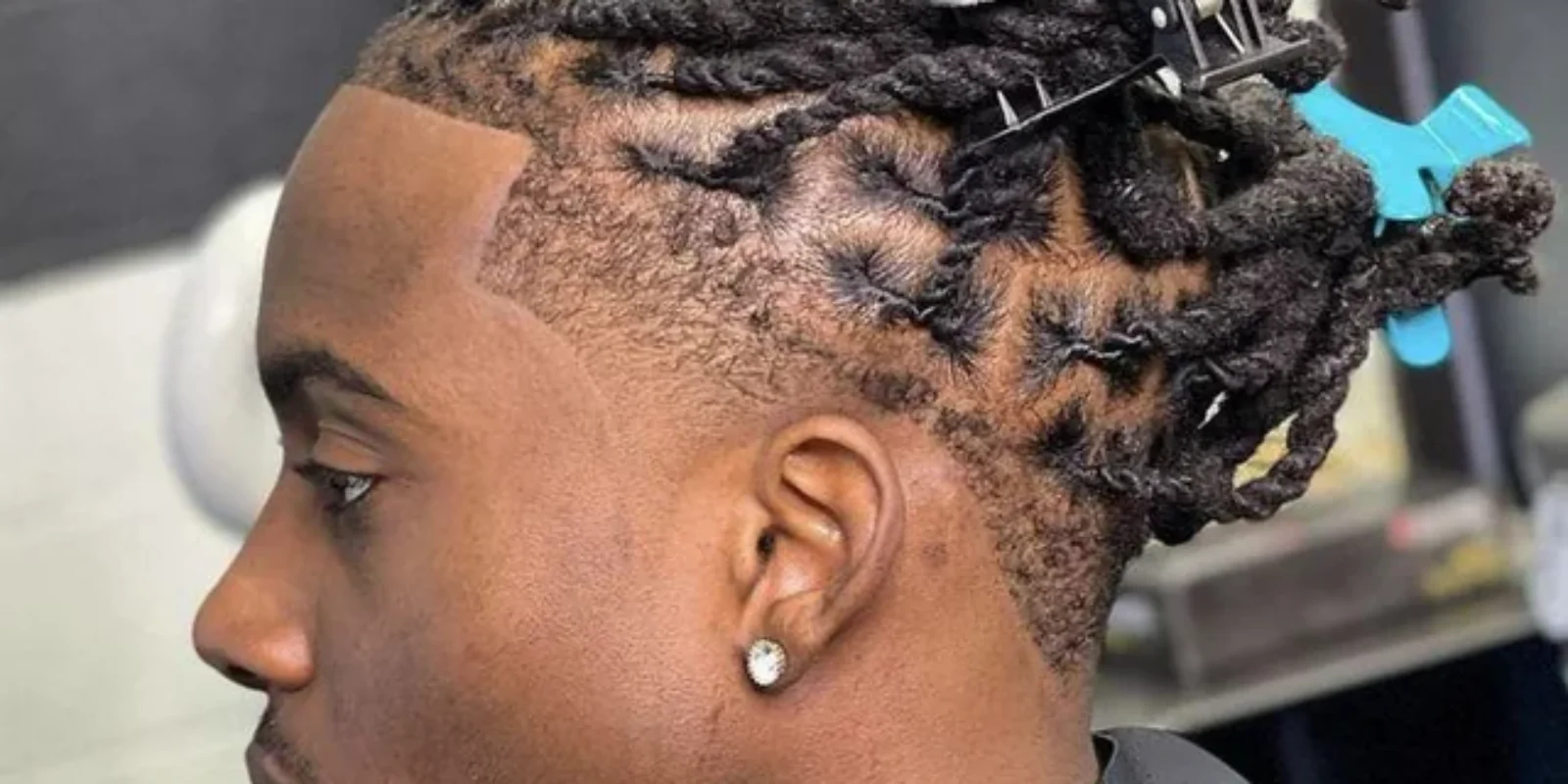
Learn the essential steps to keep your locs healthy, strong, and beautiful with this comprehensive guide .
Locs are more than just a hairstyle – they’re a beautiful expression of culture, identity, and personal style. Whether you call them locs, dreadlocks, or dreads, this protective style requires proper care and attention to thrive. Many stylists and locs wearers are moving away from the term “dreadlocks” because they feel it has negative connotations, but there’s no difference between these terms.
If you’re on your loc journey or thinking about starting one, this complete guide will show you exactly how to care for your locs to keep them healthy, strong, and gorgeous for years to come.
Why Proper Loc Care Matters
One of the biggest myths about locs is that there’s no maintenance required. You still need to manage moisture and tension to ensure that you maintain the healthiness of your locs. When locs are too dry, they can break off at the root or split midshaft.
Black hair has unique needs because of its natural curl pattern and texture. Black hair, with its unique texture and curl pattern, thrives on moisture, gentle care, and products that cater specifically to its needs. Understanding these needs is the first step to successful loc maintenance.
Stage 1: Deep Cleansing Your Locs
The Foundation of Healthy Locs: Proper Cleansing
Your scalp is still skin, and just like the skin on your face, it needs regular cleaning. Like every other natural hairstyle, dirt and dust can settle on your locs and give them a dull brown look over time. Furthermore, sweat from your scalp can cause it to have a faint unpleasant smell.
How Often Should You Wash Your Locs?
The exact frequency with which you should wash your locs depends on your hair, but every two to three weeks is a good parameter. If you’re in the starter stage, you might wash it slightly more often. Here’s what you need to know:
- Starter locs (0-6 months): Wash every 1-2 weeks
- Teen/developing locs (6-18 months): Wash every 2-3 weeks
- Mature locs (18+ months): Wash every 2-4 weeks
Best Cleansing Products for Locs:
- Clarifying Shampoo: Choose sulfate-free options with natural ingredients like tea tree oil. These deeply cleanse your scalp and remove product buildup without stripping your hair’s natural oils.
- Apple Cider Vinegar Rinse: This natural alternative to conditioner can soften locs and remove buildup from your scalp. Mix 1 part apple cider vinegar with 4 parts water for a gentle rinse.
- Baking Soda Wash: For occasional deep cleaning, mix 1 tablespoon of baking soda with 1 cup of water to create a natural clarifying rinse.
Pro Cleansing Tips:
- Always saturate your locs completely with water before applying shampoo
- Focus on cleaning your scalp, not just your locs
- Rinse thoroughly – leftover product can cause buildup and odor
- Squeeze (don’t rub) your locs gently while washing
Stage 2: Moisturizing and Hydrating Your Locs
The Key to Strong, Flexible Locs
Dry hair breaks easily, and the last thing you want is brittle locs! Use a light leave-in moisturizer that will quench your locs’ thirst, or water sealed in with a lightweight oil.
Daily Moisture Routine:
- Start with Water: Pure water is the best moisturizer. Use a spray bottle to lightly mist your locs when they feel dry.
- Follow with Lightweight Oils:
- Coconut oil (great for moisture retention)
- Jojoba oil (mimics your scalp’s natural oils)
- Argan oil (adds shine and softness)
- Sweet almond oil (lightweight and nourishing)
- Use Aloe Vera Juice: This natural ingredient provides moisture without heaviness and won’t cause buildup.
Scalp Care is Essential:
Just because you have locs, doesn’t mean you can forget about your scalp health. Your scalp is still skin and will still need some TLC. Look for products that contain ingredients such as flaxseed oil and avocado as these oils nourish the scalp and are extremely moisturising.
Best Scalp Oils:
- Peppermint oil (stimulates growth and feels refreshing)
- Rosemary oil (promotes healthy hair growth)
- Lavender oil (soothes irritation and smells great)
- Tea tree oil (has antimicrobial properties)
Moisturizing Schedule:
- Daily: Light water misting if locs feel dry
- 2-3 times per week: Oil application to scalp and locs
- As needed: Aloe vera juice spray for extra hydration
Stage 3: Conditioning and Strengthening
Building Strong, Resilient Locs
For New Locs (Under 12 Months): Avoid heavy conditioners that can cause your locs to unravel. Stick to:
- Light leave-in sprays
- Natural oils
- Aloe vera-based products
For Mature Locs (Over 12 Months): You can use more conditioning products:
- Lightweight conditioners: Choose residue-free formulas
- Deep conditioning treatments: Once every 1-2 weeks
- Protein treatments: Monthly treatments with hydrolyzed proteins to strengthen hair and prevent breakage
DIY Strengthening Treatments:
- Egg and Honey Mask: Mix 1 egg with 2 tablespoons of honey for a protein-rich treatment
- Avocado and Olive Oil Mask: Blend 1 ripe avocado with 2 tablespoons olive oil for deep moisture
- Rice Water Rinse: Fermented rice water provides amino acids and vitamins for stronger hair
Stage 4: Retwisting and Professional Maintenance
Keeping Your Locs Neat and Healthy
Retwisting Frequency: You should be re-twisting them every several months, not every other night. Even though your hair can look funky, rolling your hair (gently) at the roots will help to maintain it.
- New locs: Every 4-6 weeks
- Developing locs: Every 6-8 weeks
- Mature locs: Every 8-12 weeks
Retwisting Best Practices:
- Start with Clean, Slightly Damp Hair: Never retwist dirty or completely dry locs
- Use the Right Amount of Product: Less is always more – start small and add if needed
- Don’t Over-Tighten: This can cause thinning at the roots and breakage
- Choose Quality Products:
- Loc butter or pomade
- Aloe vera gel
- Light holding creams
When to See a Professional Loctician:
- During the starter phase for proper foundation
- If you notice thinning or breakage
- For major styling or length management
- If you’re experiencing scalp issues
Stage 5: Nighttime Protection and Care
Protecting Your Investment While You Sleep
Essential Night Protection:
- Silk or Satin Scarf/Bonnet: This prevents friction that can cause frizz and breakage
- Satin Pillowcase: An extra layer of protection for your locs
- Loose Protective Styles: If your locs are long, loosely gather them to prevent tangling
Before Bed Routine:
- Lightly mist locs if they feel dry
- Apply a small amount of oil to your scalp
- Put on your silk scarf or bonnet
- Make sure your locs are completely dry before covering them
Stage 6: Common Mistakes to Avoid
What NOT to Do with Your Locs
Over-Washing Mistakes:
- Washing too frequently can dry out your scalp
- Using harsh shampoos that strip natural oils
- Not rinsing thoroughly, leaving product residue
Product Mistakes:
- Using too much product, causing buildup
- Choosing heavy creams and gels that clog hair follicles
- Applying products to dirty or damp locs
Maintenance Mistakes:
- Over-manipulating your locs daily
- Retwisting too often or too tightly
- Ignoring your scalp health
- Not protecting locs at night
Drying Mistakes:
- Not allowing locs to dry completely (can cause mildew)
- Using high heat that damages hair
- Sleeping on wet locs
Stage 7: Nutrition and Lifestyle for Healthy Locs
Supporting Your Locs from the Inside Out
Essential Nutrients for Loc Health:
- Protein: Your hair is made of protein, so eat plenty of:
- Lean meats, fish, and poultry
- Beans, lentils, and nuts
- Eggs and dairy products
- Vitamins:
- Vitamin D: Supports hair follicle health
- Biotin (B7): Strengthens hair structure
- Vitamin E: Improves blood circulation to the scalp
- Vitamin A: Helps produce healthy sebum
- Minerals:
- Iron: Prevents hair loss and promotes growth
- Zinc: Essential for hair tissue growth and repair
- Omega-3 fatty acids: Keep hair shiny and moisturized
Lifestyle Factors:
- Stay Hydrated: Drink at least 8 glasses of water daily
- Manage Stress: High stress can affect hair growth and health
- Get Enough Sleep: Your body repairs and grows hair during sleep
- Exercise Regularly: Improves blood flow to your scalp
Products to Look For (And Avoid)
Loc-Friendly Ingredients
Best Ingredients for Locs:
- Aloe vera (moisturizing without buildup)
- Natural oils (coconut, jojoba, argan)
- Shea butter (in small amounts)
- Apple cider vinegar (clarifying)
- Essential oils (tea tree, peppermint, rosemary)
Ingredients to Avoid:
- Heavy petroleum-based products
- Alcohol-based products (can be drying)
- Products with lots of synthetic fragrances
- Heavy conditioners (for new locs)
- Products with too many chemicals
Troubleshooting Common Loc Problems
Solutions for Loc Challenges
Problem: Dry, Brittle Locs
- Increase moisture routine
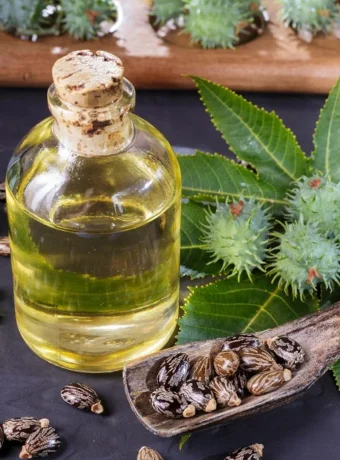
- Use heavier oils like castor oil
- Deep condition more frequently
- Drink more water
Problem: Scalp Irritation
- Use gentler products
- Massage scalp with soothing oils
- Don’t retwist too tightly
- See a dermatologist if it persists
Problem: Slow Growth
- Massage scalp regularly
- Improve your diet
- Reduce stress
- Be patient – locs grow slowly
Problem: Unraveling
- Avoid over-moisturizing new locs
- Sleep with protection
- Don’t manipulate locs too much
- Consider seeing a loctician
Creating Your Personal Loc Care Routine
Building Habits That Work
Daily:
- Check if locs need light moisture
- Massage scalp gently
- Protect at night
Weekly:
- Oil scalp and locs
- Gentle scalp massage
- Check for any problem areas
Bi-weekly to Monthly:
- Wash with clarifying shampoo
- Deep conditioning (for mature locs)
- Professional maintenance if needed
As Needed:
- Apple cider vinegar rinse
- Protein treatments
- Trim any damaged ends
The Journey: What to Expect
Understanding the Loc Timeline
Months 1-3 (Starter Phase):
- Locs are fragile and may unravel easily
- Focus on gentle cleansing and light moisture
- Avoid heavy manipulation
Months 3-12 (Budding Phase):
- Locs start to tighten and form
- You may see loops and bumps (this is normal!)
- Continue gentle care routine
Months 12-18 (Teen Phase):
- Locs are stronger but still developing
- Can handle more conditioning products
- Growth becomes more noticeable
18+ Months (Mature Phase):
- Locs are fully formed and strong
- Can handle most styling and products
- Focus on length retention and scalp health
Final Thoughts: Embracing Your Loc Journey
Taking care of locs is a journey that requires patience, consistency, and the right knowledge. Adjusting the products you use and how often you use them can lead to healthier, more vibrant locs. Less Is More: Start with small amounts of product to avoid buildup.
Remember that every person’s loc journey is unique. What works for someone else might need adjustment for your hair type, lifestyle, and preferences. The key is to stay consistent with your routine, listen to what your locs and scalp need, and don’t be afraid to seek professional help when needed. Your locs are an investment in yourself and your personal style. With proper care, they’ll reward you with years of beautiful, healthy growth that truly represents who you are.
Key Takeaways:
- Clean your locs regularly but not too often
- Moisture is essential, but don’t overdo it
- Protect your locs at night
- Be gentle with retwisting and manipulation
- Focus on scalp health as much as loc health
- Be patient – good things take time
Start your loc care routine today, and watch as your locs transform into the healthy, beautiful crown you’ve always wanted.